Home
dewalt power tool storage, diy power tool storage, garage power tool storage, garden power tool storage, makita power tool storage, milwaukee power tool storage, plastic power tool storage case, power tool storage, power tool storage box, power tool storage boxes uk, power tool storage cabinet, power tool storage ideas, power tool storage rack, power tool storage wall mount, universal power tool storage box, van power tool storage, wall mounted power tool storage rack and charging station
Admin
0 Comments
Power Tool Storage: Safe, Tidy Ideas for UK Homes and Workshops
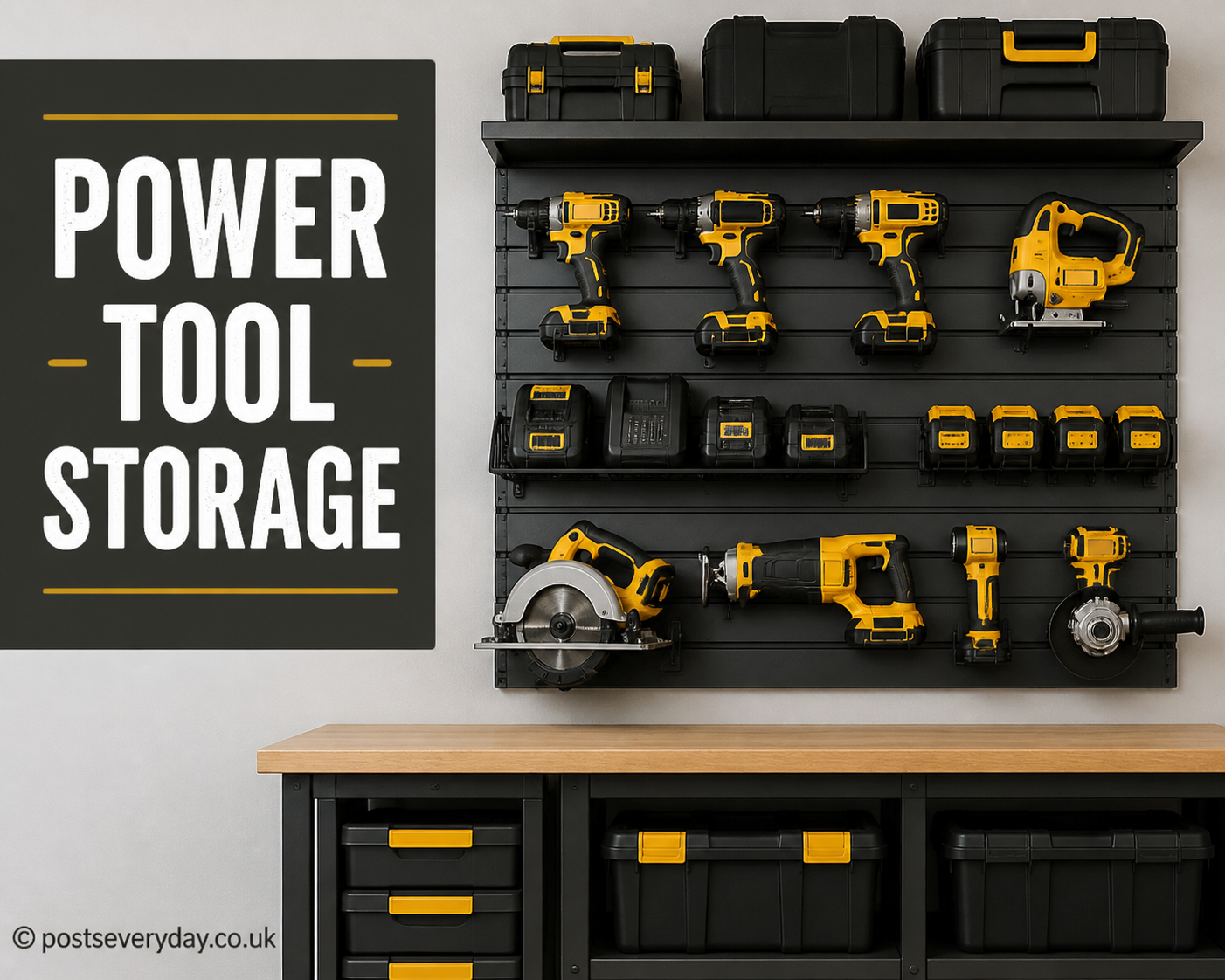
Power Tool Storage: Safe, Tidy Ideas for UK Homes and Workshops
power tool storage means keeping tools and batteries organised, protected from damage and easy to find. The right setup depends on how many tools you own and where you use them, but a dry, secure space and a few simple safety habits are a good place to start.
Why good tool storage matters
A planned storage system can help protect tools from knocks, moisture and dust. It also makes it easier to spot a missing item, keep sharp accessories contained and clear the floor of trip hazards.
Storage is not a substitute for safe tool use or maintenance. If you use equipment at work, the Health and Safety Executive says work equipment must be suitable, kept in safe condition and used by people with suitable information and training.
Choose a storage system that suits your space
Before buying anything, list your tools and decide where they will live. Think about whether you need to carry them to jobs, use them at a fixed bench or store them at home.
- Original cases: Convenient for a single tool, its charger and commonly used accessories. Check that the tool and battery fit without being forced.
- Stackable cases: Useful if you carry several tools together or want a compact stack. Make sure the stack is stable and not too heavy to lift safely.
- Tool chest or cabinet: A good option for a fixed workshop. Drawers can separate tools and accessories, while a lock may add a layer of security.
- Wall rack or pegboard: Keeps frequently used tools visible and off the bench. Secure the rack properly and do not hang more weight on it than it is designed to hold.
- Tool bag: Handy for carrying a small set of tools, though it offers less protection from crushing than a rigid case.
For example, a DIY user with a drill and a few accessories may only need the original case on a dry shelf. A tradesperson carrying several tools may prefer labelled, stackable cases and a separate secure place for valuable equipment.
How to organise power tools step by step
- Group tools by task. Keep drilling tools and drill bits together, for example, and store sanding tools with their compatible sanding accessories.
- Separate accessories. Use small boxes or case compartments for bits, blades and fixings. Keep sharp edges covered and store accessories so they cannot spill out.
- Label cases and drawers. Clear labels help you return items to the right place and see what is missing.
- Keep heavy items low. Place heavier cases on lower shelves to reduce the risk of lifting from above shoulder height or a stack toppling.
- Leave space to reach everything. Avoid blocking walkways, exits or access to electrical switches and other safety equipment.
- Check tools before putting them away. Look for visible damage, remove dust as the manufacturer directs and put the tool away dry.
Storing cordless tool batteries safely
Cordless-tool batteries need care as well as an organised place. Follow the instructions for your specific battery and charger, because recommended storage and charging steps can vary by model.
- Store batteries somewhere dry and away from direct sunlight, heaters and other strong heat sources.
- Protect battery terminals from contact with metal objects such as loose screws or keys, which could cause a short circuit.
- Do not use or charge a battery that is swollen, cracked, leaking, unusually hot or otherwise damaged. Follow the manufacturer’s advice for safe handling and disposal.
- Charge with the correct charger, on a stable surface and away from items that can catch fire. Do not charge a battery inside a closed tool case or cover the charger.
- Do not leave charging batteries unattended or charging overnight; follow the relevant fire service and manufacturer guidance.
If a battery becomes hot, swells or gives off an unusual smell, stop using or charging it if it is safe to do so, keep away from it and follow the manufacturer’s safety advice. If there is smoke or fire, leave the area and call 999. Do not put yourself at risk trying to move a damaged battery.
Keep tools dry and protect them from damp
Garages, sheds and outbuildings can be damp or subject to changes in temperature. Keep tools off wet floors, check that cases are dry before closing them and avoid storing equipment where rain or condensation can reach it. A sealed case can help protect against splashes and dust, but it is not a reason to put damp tools away.
If you find moisture or rust, check the tool’s instructions before cleaning or lubricating it. Never use a tool with damaged wiring, a cracked housing or another fault that could make it unsafe.
Make storage more secure
Locks can make tools harder to access, but no storage system can guarantee protection from theft. Keep valuable tools out of sight, secure cabinets or cases where practical, and avoid leaving tools in a vehicle overnight if you can take them somewhere safer.
Keep a simple inventory with photographs, model details and serial numbers. Police and crime-prevention advice also recommends marking tools so they can be identified if recovered. Consider marking and registration options that are suitable for your equipment.
Common storage mistakes to avoid
- Putting away a wet or dirty tool without checking the manufacturer’s cleaning instructions.
- Leaving loose blades or drill bits where someone could reach into a case and get cut.
- Storing batteries with loose metal objects that could touch their terminals.
- Charging batteries in an enclosed case, near flammable materials or where a fire could block an escape route.
- Stacking heavy cases high or using a shelf that is not secure enough for the load.
- Assuming that a locked shed or vehicle is fully theft-proof.
Frequently asked questions
Can I keep power tools in a garden shed?
You can, if the shed is secure and the tools are kept dry and protected from extremes of temperature. Check the space for leaks or damp, and consider storing batteries indoors if that better matches the battery maker’s instructions.
Should I remove the battery before storing a cordless tool?
Check the tool and battery instructions. Removing the battery can make it easier to store each item safely and helps prevent accidental operation, but the manufacturer’s directions should guide you.
Is a plastic case enough to protect a power tool?
A suitable case can help protect a tool from dust, knocks and splashes. It will not protect every tool from heavy impact, prolonged damp or extreme heat, so choose storage that fits the risks in your space.
Is it safe to leave a tool battery charging overnight?
Avoid charging overnight or leaving a battery charging unattended. Use the correct charger, follow the manufacturer’s instructions and charge in a clear, visible place away from flammable materials.
What should I do with a damaged battery?
Stop using or charging it. Do not put a damaged battery in ordinary household waste; follow the manufacturer’s instructions and use appropriate local battery or hazardous-waste disposal advice.
Reliable sources used for fact-checking
- Health and Safety Executive (HSE), “Provision and Use of Work Equipment Regulations 1998 (PUWER) — overview”.
- Health and Safety Executive (HSE), “Using electric storage batteries safely” (INDG139).
- London Fire Brigade, “Batteries and chargers — fire safety at home”.
- Mid and West Wales Fire and Rescue Service, “Lithium Battery Fire Safety”.
- Office of the Police and Crime Commissioner for Thames Valley, tool-theft prevention advice.
Choose cases, shelves or cabinets that fit your tools and workspace, keep batteries and accessories organised, and follow the maker’s safety instructions. A practical power tool storage routine can help keep your equipment easier to find and ready for its next job.






Post Comment