Blog
hallacas, hallacas colombianas, hallacas navideñas, hallacas navideñas venezolanas, hallacas near me, hallacas recipe, hallacas venezolanas, hallacas venezolanas ingredientes, hallacas venezolanas receta, hallacas venezuela, hallacas venezuelan, hallacas vs tamales, hayacas o hallacas, ingredientes para 50 hallacas, las hallacas, venezuela hallacas navideñas, venezuelan hallacas, what are hallacas
Admin
0 Comments
Hallacas: Venezuela’s Beloved Christmas Tradition, Explained
Hallacas: Venezuela’s Beloved Christmas Tradition, Explained
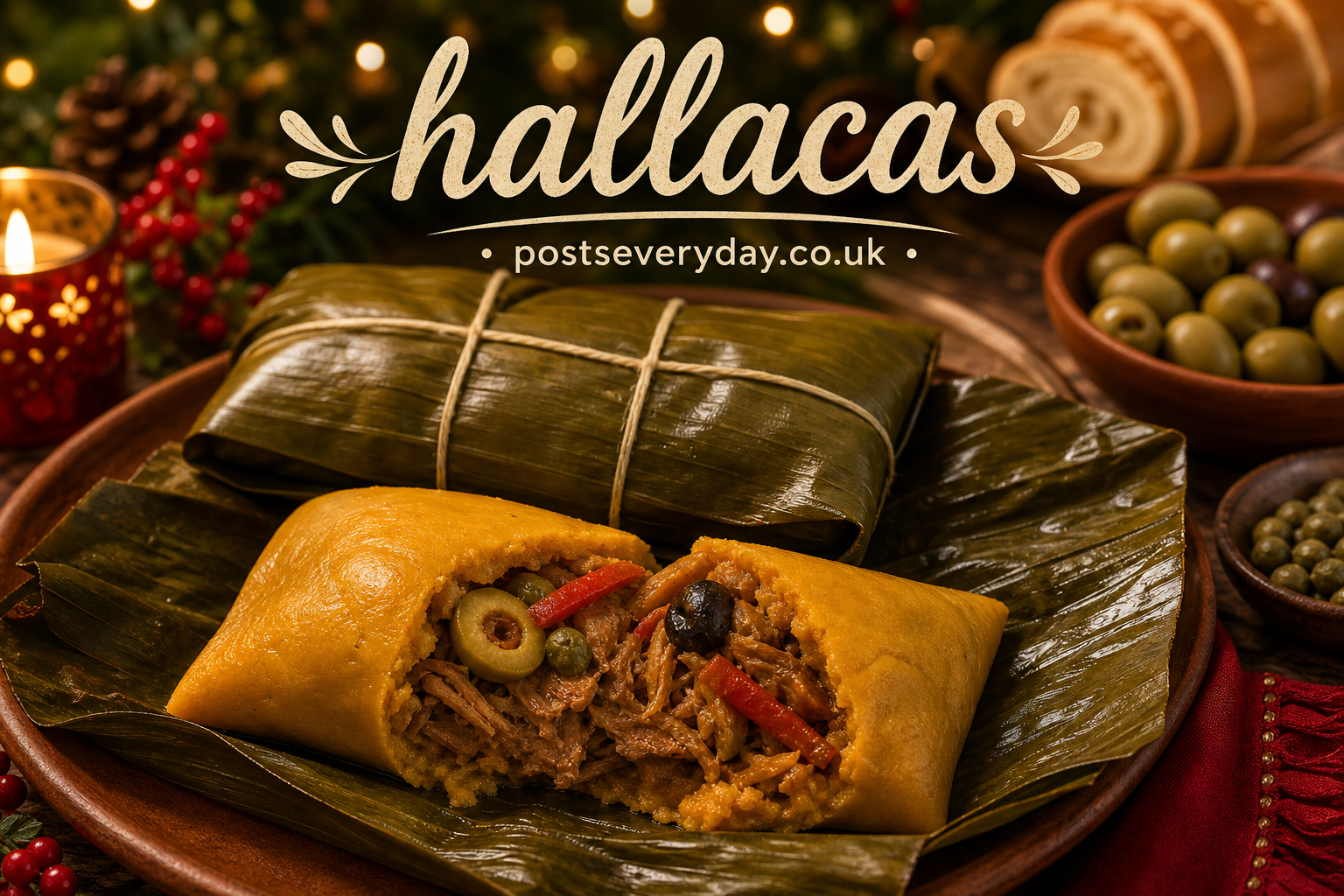
Few dishes carry the warmth of a Venezuelan Christmas quite like hallacas. These parcels of seasoned corn dough, savoury filling and carefully chosen garnishes are wrapped in plantain leaves and cooked until tender. Their preparation can turn a busy kitchen into a gathering place, with relatives sharing tasks, stories and opinions about whose family recipe is best. Whether you know them as hallacas venezolanas or are discovering them for the first time, understanding the dish means appreciating both its flavours and the tradition around it.
What are hallacas?
A hallaca is a filled, leaf-wrapped parcel made with corn-based dough and a cooked guiso, or stew. In many traditional versions, the filling combines meats such as beef, pork and chicken, while olives, capers, raisins or strips of pepper add contrasting salty, sweet and savoury notes. The finished parcel is tied with kitchen string and simmered in water. The combination is distinctive, but there is no single recipe used by every Venezuelan family.
Hallacas are strongly associated with Christmas in Venezuela, when families often prepare a large batch for holiday meals. Their importance reaches beyond the ingredients: making them together is a social ritual that connects generations and preserves family memories. A scholarly account of Venezuelan food culture describes the hallaca as a powerful marker of culinary identity, while historical research traces references to the dish back to the eighteenth century. ([revista.uny.edu.ve](https://revista.uny.edu.ve/ojs/index.php/en-prospectiva/article/download/178/209?inline=1&utm_source=openai))
What goes into hallacas venezolanas?
The preparation has four essential parts: the dough, the guiso, the adornos and the leaf wrapping. For the dough, cooks commonly use precooked corn flour mixed with stock, oil or cooking fat, and seasoning. Some recipes colour and flavour the dough with onoto, also called annatto. The result should be soft and pliable enough to spread thinly over a greased leaf without tearing.
The guiso is the heart of many hallacas navideñas. Meat is cooked with aromatics and seasonings, then cooled before assembly. Depending on the recipe and region, the mixture may contain beef, pork, chicken or a combination. Garnishes might include olives, capers, raisins, onion, pepper or almonds. These are not universal requirements: one household may favour a sweeter filling, while another prefers a saltier, more intensely seasoned one. When comparing hallacas venezolanas ingredientes, it is best to think of a traditional framework with many legitimate family variations.
Why the leaves matter
Plantain leaves give the parcel its familiar shape and contribute a gentle, earthy aroma as it cooks. They are washed, dried and briefly warmed or passed over heat so they become flexible. A thin coating of oil helps the dough spread and reduces sticking. The leaves are folded securely around the filling, then tied so the parcel holds together in the pot. If fresh leaves are unavailable, frozen leaves can be a practical substitute when thawed and prepared according to their packaging.
How hallacas are made
Traditional preparation is a sequence of jobs rather than one quick cooking step. First, the guiso is cooked and allowed to cool; preparing it ahead helps the flavours settle and makes assembly easier. Next, the dough is mixed until smooth. Clean leaves are laid out, lightly oiled and covered with a thin layer of dough. A spoonful of filling goes in the centre, followed by the chosen garnishes.
The leaf is folded into a neat packet and tied with string. The parcels are then simmered until the dough is cooked through. Because sizes and recipes vary, cooking time can differ; follow a trusted family recipe and check that the centre is hot and fully cooked before serving. Working in stages, keeping raw and cooked ingredients separate, and cooling the filling safely are sensible kitchen practices. For many households, assembling the parcels together is as meaningful as eating them.
Regional recipes and family traditions
There is no single definitive hallaca venezolana. Recipes vary between regions and families in the seasoning, dough, meat mixture and garnishes. Some Andean versions are known for particular local touches, while Caracas-style recipes may have their own balance of sweetness and savouriness. The differences are part of the dish’s appeal: asking someone about their hallacas often leads to a story about a parent, grandparent or memorable Christmas gathering.
Searches for hallacas venezolanas receta usually reflect a wish to recreate a particular home-style version. Before cooking, decide whether you want a meat combination, which garnishes suit your taste and how many parcels you can realistically assemble. For a large batch—such as ingredientes para 50 hallacas—write down quantities, divide preparation across more than one day and recruit helpers. Recipes differ too much for one universal ingredient list to suit every household, so scaling a chosen recipe is more reliable than combining quantities from several unrelated versions.
Hallacas vs tamales
Hallacas and tamales are both corn-based foods wrapped in leaves, but they are not interchangeable names for the same recipe. Their doughs, fillings, seasonings, wrapping styles and cultural settings differ, and tamales themselves vary widely across Latin America. Hallacas are particularly associated with Venezuelan Christmas and commonly feature a seasoned stew with garnishes such as olives, capers or raisins. A comparison of hallacas vs tamales is most helpful when it recognises shared techniques without overlooking each dish’s distinct identity.
The names hayacas o hallacas also appear in discussions of spelling and regional usage. “Hallaca” is the spelling most commonly used for the Venezuelan dish, while “hayaca” occurs in some contexts and place-based traditions. Likewise, hallacas colombianas may refer to related regional preparations, but recipes and local meanings can differ. It is worth asking about the specific region or style rather than assuming every parcel is made the same way.
Serving and finding them
Hallacas are generally served hot, often as part of a festive Venezuelan meal. They may appear alongside pan de jamón, a savoury holiday bread, and other family favourites. To reheat a cooked hallaca, keep it wrapped and warm it thoroughly in simmering water; avoid leaving cooked food at room temperature for extended periods. If freezing, cool it promptly, pack it well and reheat until piping hot throughout.
If you are searching for hallacas near me, try Venezuelan restaurants, Latin American markets and community food events, especially during the Christmas season. Ask whether the parcels are homemade, what filling they contain and whether they are sold fresh or frozen. Availability changes by location and time of year, so calling ahead can save a journey. For anyone new to the dish, tasting a traditional version before attempting a large batch is a lovely way to discover the balance of dough, guiso and garnish.
Frequently asked questions
Are hallacas always a Christmas food?
They are most closely linked with Christmas celebrations in Venezuela, although they can be prepared or enjoyed at other times. Their seasonal association is especially strong because making them is often a shared family event.
Can hallacas be vegetarian?
Yes. Families and cooks can create meat-free versions using vegetables, legumes or other suitable fillings, though ingredients and traditions vary. Keep the filling moist but not watery, and make sure it is fully cooked before assembly.
How are hallacas different from ordinary tamales?
Both use corn dough and leaf wrapping, but hallacas usually feature a distinct seasoned stew and garnishes, and they hold a particular place in Venezuelan Christmas cooking. Tamales encompass many different regional traditions.
A dish made to be shared
From the careful preparation of the guiso to the final knot of string, hallacas bring flavour, patience and family history together in one parcel. Their recipes are wonderfully adaptable, yet the central idea remains recognisable: seasoned corn dough wrapped around a generous filling and cooked in leaves. Whether you are learning about hallacas venezolanas, looking for a regional version or planning your first batch, approach the process with time and curiosity. The best part is often not a perfect fold, but the people gathered around the table to make and enjoy them. For many Venezuelans, hallacas taste like home.




Post Comment