Beaconsoft tips for tech: Celebrity-Smart Digital Habits
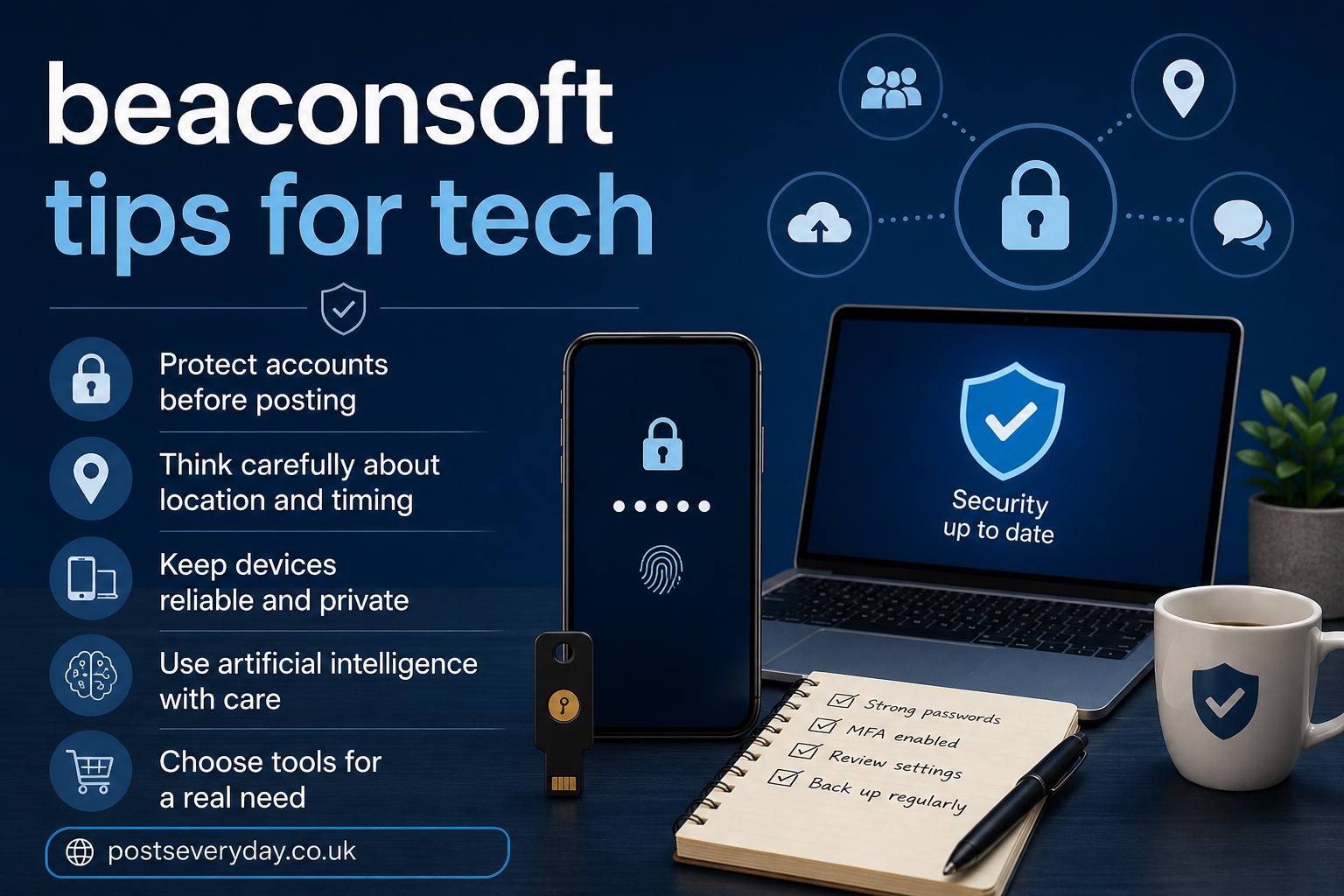
Beaconsoft tips for tech: Celebrity-Smart Digital Habits
Public figures live with a level of online attention most people never experience, but the habits that help protect a celebrity’s privacy can also make everyday technology safer and less stressful. These beaconsoft tips for tech focus on practical choices anyone can use, from securing accounts to sharing photos thoughtfully, without pretending there is one secret celebrity-approved setting that solves everything.
Why celebrity tech habits matter
Actors, musicians, athletes and other well-known people often manage public profiles alongside private conversations, work files and family life. Their circumstances are different from those of most readers, yet the underlying challenges are familiar: unwanted access, impersonation, oversharing and too many accounts to keep track of. Looking at the issues around public visibility can help anyone think more carefully about their own digital footprint.
There is no single routine followed by every celebrity, and it would be misleading to suggest otherwise. A public figure’s arrangements may involve professional staff, specialist advice or workplace policies that are not available or necessary for everyone. The useful lesson is not to copy an imagined star’s setup, but to adopt sensible habits that suit your own devices, accounts and level of exposure.
Protect accounts before posting
A strong account starts with a unique password. Reusing one password across email, social media and shopping accounts means that a problem with one service could put others at risk. A password manager can help create and store different passwords, while a long passphrase is another practical option when you need to remember one yourself.
Where available, turn on multifactor authentication, especially for your primary email account. This asks for an additional proof of identity, such as an authenticator-app code or security key, when signing in. Keep recovery details current, and store backup codes somewhere secure rather than in a note that is easily accessible from a lost phone.
Make security routine
Set aside a little time every few months to review account recovery options, signed-in devices and connected applications. Remove access for services you no longer use. If an app asks for permissions that seem unrelated to its purpose, pause and consider whether it needs them. Small reviews are easier to manage than trying to repair every setting after a suspicious login.
Be cautious with unexpected messages, even when they appear to come from a familiar person or organisation. A request to open an attachment, share a login code or urgently reset a password deserves a second look. Contact the person or company through a separate, trusted channel instead of using the message’s links or phone number.
Think carefully about location and timing
Photos and posts can reveal more than their captions. A recognisable venue, a street sign, a travel detail or a repeated daily routine may expose where someone is or where they are likely to be. Public figures may have particular safety concerns, but anyone can benefit from checking the background of an image before sharing it.
Consider posting holiday photos after returning rather than announcing that a home is empty. Review location-sharing settings on your phone and in social apps, and check whether a photo contains location information before sending it publicly. These choices need not make social media joyless; they simply give you more control over what strangers can learn.
Separate public and private spaces
If you maintain a public-facing profile for work, hobbies or creative projects, consider keeping personal communication and public activity distinct. Use separate email addresses where practical, and think twice before linking every account to the same profile. Clear boundaries make it easier to manage notifications and reduce the chance that a personal detail reaches a wider audience by mistake.
Before sharing someone else’s photo, message or personal news, ask whether they are comfortable with it being public. A celebrity’s visibility does not make every moment fair game, and the same courtesy applies to friends, colleagues and family. Respectful sharing is a technology habit as much as a social one.
Keep devices reliable and private
Install operating-system and app updates from the device’s built-in settings or the official app store. Updates can include security fixes as well as new features, so delaying them indefinitely is rarely a good routine. Turn on automatic updates when it suits your needs, and restart devices when prompted so important changes can finish installing.
Use a screen lock and a short auto-lock interval, particularly on a phone that travels with you. If your device offers biometric unlocking, consider whether it is appropriate for your situation and learn how to use its passcode instead. For shared devices, create separate user accounts where possible, sign out of sensitive services and avoid saving passwords in a browser that other people use.
Back up what matters
A backup is most useful when it is recent and retrievable. Choose a method that fits your budget and comfort level, such as a reputable cloud service or an encrypted external drive. Check that important photos and documents are actually included, and occasionally test restoring a file. A device can be replaced; irreplaceable memories or work may not be recoverable without a backup.
Use artificial intelligence with care
AI tools can help draft text, organise ideas or explain unfamiliar topics, but avoid pasting confidential documents, private messages, financial details or other sensitive information into a service unless you understand how that information may be handled. For public figures and ordinary users alike, convenience should not erase the need to protect personal data.
Check important AI-generated claims against reliable sources, especially when the information affects health, money, work or another person’s reputation. A polished answer can still contain errors. Treat the tool as an assistant for thinking and drafting, not as an unquestionable authority or a substitute for professional advice when the stakes are high.
Choose tools for a real need
Celebrity culture can make every new device or app look essential. In practice, the best technology is usually the tool that solves a genuine problem, works with your existing setup and can be maintained without constant effort. Before buying, check compatibility, privacy settings, support and the total cost, including subscriptions or accessories.
Read the manufacturer’s instructions for device-specific features and use trusted support channels when troubleshooting. Avoid downloads from unfamiliar pop-ups or sites promising instant fixes. If a service asks for unusually broad permissions or payment details before explaining what it does, take time to research it rather than acting under pressure.
Frequently asked questions
Do celebrities use special technology to stay safe?
Some public figures may have professional support or security arrangements, but there is no single standard setup shared by everyone. For most people, unique passwords, multifactor authentication, careful sharing and regular updates are useful places to start.
What is the first privacy setting worth checking?
Start with the privacy settings on your main social accounts and phone. Review who can see your posts, whether location is shared, which apps have access to your information and what recovery options protect your accounts. The right settings depend on how you use each service.
Are these tips only for famous people?
No. The examples draw attention to visibility and privacy, but the practices apply to students, families, freelancers and anyone who uses connected devices. You can adopt the steps that make sense for your circumstances without changing every habit at once.
Make better tech habits personal
Managing technology well is less about owning the newest device and more about making deliberate choices. Secure the accounts you rely on, limit unnecessary sharing, keep devices current and maintain backups of important files. Review your settings when your circumstances change, such as starting a public project, travelling or sharing a device with someone else.
That is the practical spirit behind beaconsoft tips for tech: borrow the useful lessons of life in the public eye, then adapt them to your own needs. A few consistent habits can help you feel more confident online while leaving room to enjoy the technology that genuinely makes daily life easier.




Post Comment