Home
alissa mahler jewish, artificial pet turf waukesha, diy pet turf installation, edmonton pet turf, el paso pet turf, everlast pet turf, home depot pet turf, how to install pet turf on dirt, pet turf, pet turf austin, pet turf avondale, pet turf cleaner, pet turf dallas tx, pet turf denver, pet turf deodorizer, pet turf edmonton, pet turf goodyear, pet turf infill, pet turf installation near me, pet turf long island, pet turf rolls
Admin
0 Comments
Pet Turf in the United Kingdom: A Practical Guide for Pet Owners
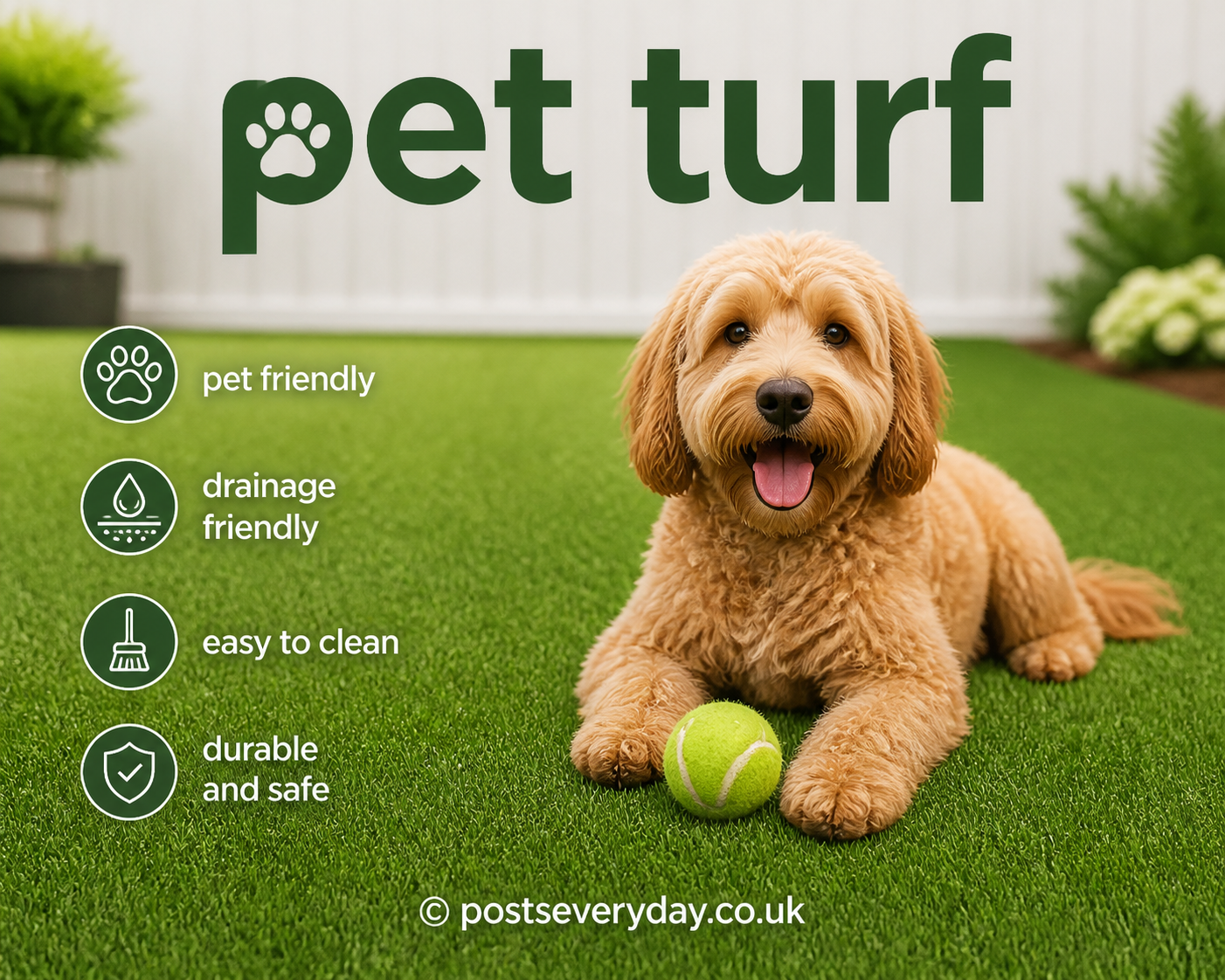
Pet Turf in the United Kingdom: A Practical Guide for Pet Owners
pet turf is artificial grass designed for gardens or runs used by pets. It can create a neat, usable surface, but it is not maintenance-free: drainage, cleaning, heat and the loss of living plants are important factors to consider before choosing it.
What is pet turf?
Pet turf is synthetic grass made from plastic fibres. It is usually installed over a prepared base, and some products include a layer of infill between the fibres. The backing, base and drainage all affect how well the finished surface handles rain and pet waste.
Despite its name, pet turf is not a special kind of living grass. It does not grow, and it will not repair itself if fibres or seams become damaged.
Benefits and limitations
Possible benefits
- Less routine lawn work: There is no mowing or reseeding, although brushing and cleaning may still be needed.
- A consistently green appearance: The surface does not turn muddy in the same way as soil or natural grass, though dirt and debris can still collect on it.
- A defined toilet or play area: A small, well-planned section can be easier to clean than a larger garden lawn.
Things to consider
- Odour and hygiene: Urine or waste can leave residue, especially if waste is not picked up or the surface drains poorly. Synthetic grass does not remove the need for regular cleaning.
- Heat in direct sun: Research comparing sports surfaces has found that synthetic grass can become hotter than natural grass in sunny conditions. Those studies are not a guarantee of the temperature in a particular home garden, but they support taking care on hot, sunny days. Give pets access to shade and a cooler surface, and keep them off turf that feels uncomfortably hot. ([pmc.ncbi.nlm.nih.gov](https://pmc.ncbi.nlm.nih.gov/articles/PMC11272752/?utm_source=openai))
- Wildlife and planting: Replacing living lawn or planted ground with synthetic surfacing can reduce the space available for plants and wildlife. UK government biodiversity guidance treats vegetated gardens as having biodiversity value in its metric, while sealed surfaces are treated differently. ([gov.uk](https://www.gov.uk/guidance/biodiversity-net-gain?utm_source=openai))
- Installation and repairs: A stable, draining base and well-secured edges matter. Poor installation may lead to standing water, loose joins or costly repairs.
- Not the same as natural grass: It does not provide living ground cover, and it cannot support the same plant growth as a natural lawn.
How to choose pet-friendly artificial grass
Look at the whole installation, not just the colour or softness of the sample. Ask the supplier how the backing, base and drainage are suited to your garden and to the way your pet uses it.
- Ask whether the product is intended for regular pet use and what cleaning it needs.
- Check how liquids pass through the backing and what drainage layer is recommended.
- Ask how seams and edges will be secured, particularly if your pet digs or pulls at surfaces.
- Request the manufacturer’s care instructions and warranty terms in writing.
- Consider whether a smaller artificial area with natural planting elsewhere would meet your needs.
Claims such as odour-proof or maintenance-free should be treated cautiously. Ask what the claim means in practice and whether it depends on a specific installation or cleaning routine.
Cleaning and everyday care
Follow the turf maker’s care instructions, since products and infill can differ. As a general routine, remove solid waste promptly, rinse areas soiled with urine with clean water, and clear away leaves and other debris before they build up. A UK artificial-grass supplier also advises that pet waste should not be left to accumulate because it may affect drainage. ([trulawn.co.uk](https://www.trulawn.co.uk/customer-support/faq/clean-artificial-grass-used-pets/?utm_source=openai))
- Pick up solid waste as soon as practical.
- Rinse the affected area with water, paying attention to places your pet uses often.
- Brush the fibres if the product instructions recommend it.
- Use a cleaning product only if it is suitable for your turf and safe to use as directed around pets.
Do not mix cleaning products, and keep pets away from any treated area for as long as the product label or turf manufacturer advises. If a persistent smell remains, check whether liquid is draining properly rather than simply adding more cleaner.
Installation and drainage
Good drainage depends on the full build-up beneath the grass, the condition of the ground and where water can go. A porous backing alone does not guarantee that the installed lawn will drain well if the base is unsuitable or blocked.
Before work starts, ask the installer to explain the base layers, drainage route, edge details and how they will prevent water from collecting. If you plan to replace a front garden surface, check the rules that apply in your part of the UK and ask your local planning authority if you are unsure. Government guidance for England discusses permeable surfacing in front gardens and planning considerations. ([gov.uk](https://www.gov.uk/government/publications/permeable-surfacing-of-front-gardens-guidance?utm_source=openai))
Is pet turf right for your home?
It may suit a household that wants a defined, tidy-looking pet area and is prepared to clean it regularly. It may be less suitable if the garden receives strong sun, if keeping living plants and wildlife habitat is a priority, or if there is no practical way for water to drain away.
For example, a household could use a small synthetic patch for a frequently used toilet area while keeping the rest of the garden planted. That can limit the area needing artificial surfacing, though the patch still needs sound drainage and routine care.
Frequently asked questions
Does artificial grass smell when used by dogs?
It can develop an odour if urine or waste is left behind or drainage is poor. Prompt waste removal, rinsing and a correctly prepared base can help, but no surface can guarantee that smells will never occur.
Can cats use pet turf?
Some cats may use an outdoor artificial surface, but preferences vary. Keep the area clean and observe whether your cat is comfortable using it.
Is artificial grass safe for pets?
Product suitability and installation quality vary. Check the maker’s care and safety instructions, secure loose edges, and keep pets away from surfaces that are hot or from areas being cleaned with products that require restricted access.
Does rain clean pet turf?
Rain may wash away some surface dirt, but it should not replace picking up waste or rinsing areas that need attention. Drainage below the grass also matters.
Is pet turf better than natural grass?
It depends on your priorities. Synthetic grass needs no mowing, but it still needs cleaning and does not provide living plant cover. Natural grass can support a more vegetated garden, but it may need mowing and care.
Reliable sources used for fact-checking
- UK Government, Guidance on the permeable surfacing of front gardens. ([gov.uk](https://www.gov.uk/government/publications/permeable-surfacing-of-front-gardens-guidance?utm_source=openai))
- UK Government, Biodiversity net gain guidance. ([gov.uk](https://www.gov.uk/guidance/biodiversity-net-gain?utm_source=openai))
- Systematic review, The effect of synthetic grass sports surfaces on the thermal environment. ([pmc.ncbi.nlm.nih.gov](https://pmc.ncbi.nlm.nih.gov/articles/PMC11272752/?utm_source=openai))
- Trulawn, How to clean artificial grass used by pets, for practical cleaning guidance. ([trulawn.co.uk](https://www.trulawn.co.uk/customer-support/faq/clean-artificial-grass-used-pets/?utm_source=openai))
Conclusion
Choose a surface based on drainage, cleaning needs, sun exposure and the kind of garden you want—not appearance alone. If you decide to install pet turf, ask for clear product-care advice and a detailed explanation of the base and drainage before work begins.





Post Comment