Kylie Jenner and Elizabeth Taylor: Two Eras of Celebrity Beauty
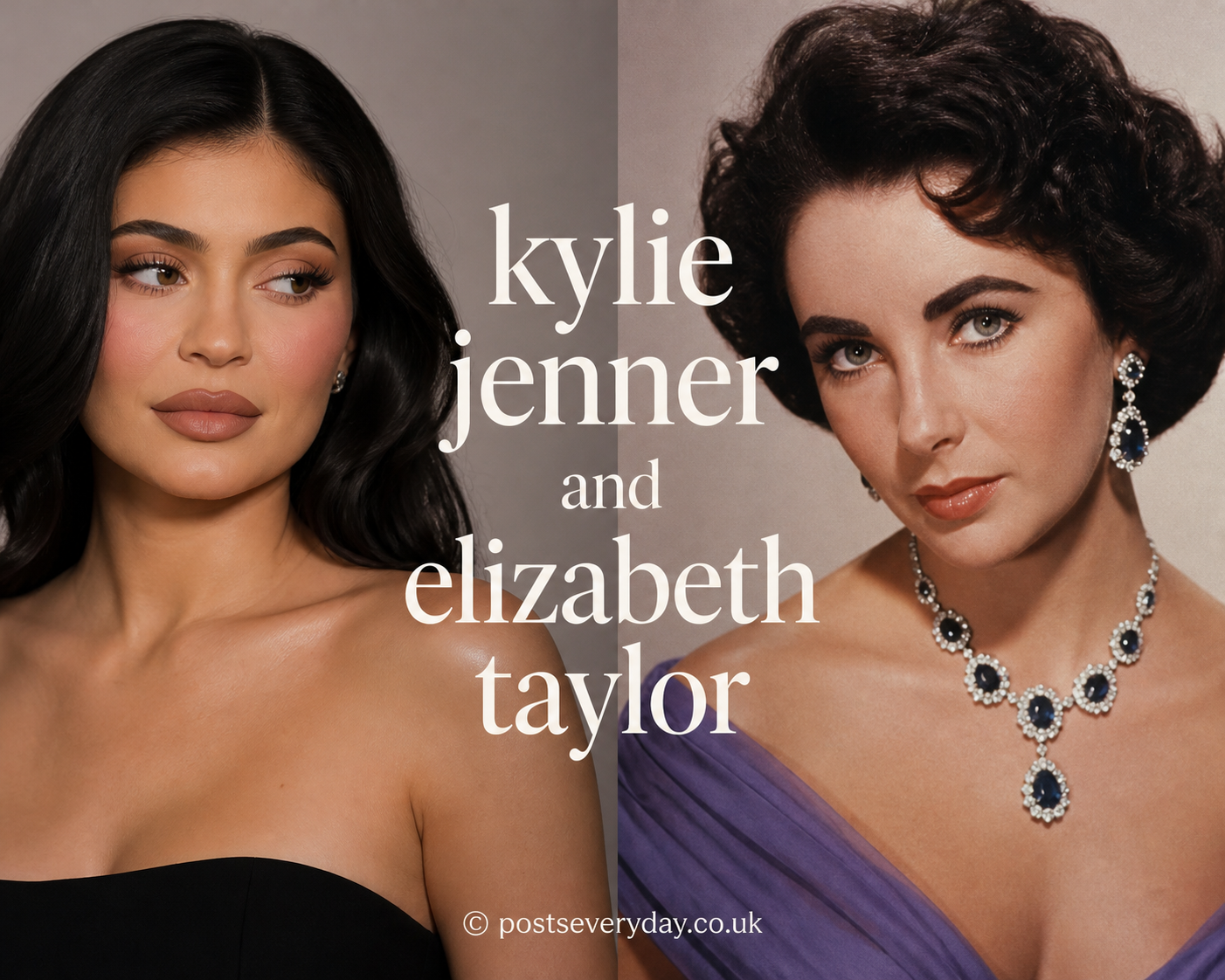
Kylie Jenner and Elizabeth Taylor: Two Eras of Celebrity Beauty
The phrase kylie jenner and elizabeth taylor brings together two famous women from very different chapters of popular culture. One became a defining beauty entrepreneur of the social-media age; the other was an Oscar-winning film star whose glamour and business instincts reached far beyond the screen. They did not share a career or a generation, but comparing their public images offers an intriguing look at how celebrity influence changes over time.
There is no widely documented family connection or major professional collaboration between them. The interest lies instead in the contrast: Elizabeth Taylor built a lasting image through cinema, fashion, fragrance and philanthropy, while Kylie Jenner developed a public-facing beauty business in a world shaped by online communities and instant product launches. Their stories are not interchangeable, yet both show how a recognisable personal style can become part of a much larger cultural legacy.
Two stars, two generations
Elizabeth Taylor was born in 1932 and became a major screen presence as a child before earning acclaim for films including Butterfield 8 and Who’s Afraid of Virginia Woolf? Her work brought critical recognition, while her striking screen presence, jewellery and red-carpet appearances made her a subject of public fascination. Taylor died on 23 March 2011, aged 79.
Kylie Jenner, born in 1997, came to public attention through the family reality series Keeping Up with the Kardashians. As she grew older, she built a distinct profile around beauty, fashion and entrepreneurship. Her business story belongs to a different media environment: instead of relying mainly on film publicity, magazines and television interviews, Jenner could speak to followers directly through social platforms and promote products within that same digital ecosystem.
The gap between their careers is important. Taylor’s fame took shape during the studio era and continued through decades of changing film and television culture. Jenner’s grew in a connected world where images circulate rapidly and audiences can respond, comment and shop almost immediately. Comparing them is most useful when it recognises these conditions rather than treating celebrity as a single, timeless formula.
Different routes to beauty influence
Elizabeth Taylor’s enduring glamour
Taylor’s beauty image was associated with expressive eyes, defined brows, rich lipstick and carefully styled hair. Her looks were created for photographs, film sets and public appearances, but they also felt recognisable as part of her own persona. She was not simply an actress wearing costumes: her personal taste, especially her love of jewellery, became part of the story audiences followed.
Her influence also extended into business. Taylor launched her first major fragrance, Passion, in 1987, followed by White Diamonds in 1991. The fragrance line connected her name with a product people could buy and use, translating a screen star’s carefully built image into an everyday form of glamour. White Diamonds was inspired by her love of gardens and jewels, according to the official fragrance history, and its launch helped establish a lasting commercial legacy beyond her film roles. ([elizabethtaylor.com](https://elizabethtaylor.com/world-of-fragrance/?utm_source=openai))
That achievement matters when considering modern celebrity brands. Taylor’s fragrance work came before social media, influencer marketing and direct-to-consumer beauty launches became familiar. Her involvement showed that a celebrity could be more than the face of an advertisement: a name, aesthetic and personal story could anchor a product line with an identity of its own.
Kylie Jenner’s digital-era business
Jenner’s rise in beauty unfolded in a faster, more interactive marketplace. Kylie Lip Kits launched in 2015, pairing liquid lipstick with matching lip liner. The original concept aligned closely with the makeup look she was known for and gave customers a simple, recognisable product to associate with her name. Coty’s company history describes the Lip Kits as the beginning of her beauty business, which later expanded into additional cosmetics and skincare categories. ([coty.com](https://www.coty.com/news/coty-announces-relaunch-kylie-cosmetics-new-and-improved-clean-and-vegan?utm_source=openai))
Social media helped make that launch distinctive. Jenner could present products through her own channels, show how they looked, and reach an audience already familiar with her style. The approach connected personal image with shopping in a way that was difficult for earlier stars to replicate. It also meant that product conversations, public reactions and changing trends could unfold quickly and in full view.
That visibility has advantages and limits. A large audience can make a new launch instantly recognisable, but attention alone does not guarantee lasting success. Customers still judge price, quality, packaging and whether a product suits their needs. Jenner’s career illustrates how celebrity can create a powerful opening for a brand, while the business must continue to earn interest beyond the founder’s fame.
What the comparison reveals
The most meaningful connection between the two women is not that they had identical styles or followed the same route. It is that both understood the value of a memorable public identity. Taylor’s was built through acting, fashion, jewellery, fragrance and a life that kept audiences attentive. Jenner’s has been shaped by reality television, online self-presentation and a beauty company designed for a modern consumer market.
There is also a difference in how audiences encounter their influence. Taylor’s image reached people through films, studio publicity, print photography and television. Her reputation accumulated over time, with each role and public appearance adding to the mythology around her. Jenner’s image is more immediate and continuously updated: followers can see new looks and announcements as they happen, and trends can spread across platforms within hours.
Neither model is automatically better. Taylor’s slower, carefully mediated celebrity helped create a sense of distance and old-Hollywood mystique. Jenner’s direct communication can feel more accessible, while also exposing her to constant scrutiny. Together, their stories show that beauty influence depends not only on appearance, but on the media, business structures and audience expectations of each era.
Style without the rivalry
It is tempting to frame famous women as competitors, but this comparison works better as a conversation between eras. Taylor’s polished, dramatic glamour can inspire a contemporary makeup look, while Jenner’s entrepreneurial approach may interest people studying how a personal brand is built today. Appreciating one does not require dismissing the other.
It is also worth separating inspiration from imitation. A person can borrow an element of Taylor’s classic eyeliner or Jenner’s defined lip without trying to reproduce either woman’s face. Makeup is most useful as a way to experiment with colour, shape and personal taste. Their public images are reference points, not rules for how anyone should look.
For readers searching kylie jenner and elizabeth taylor, the clear answer is that their connection is primarily a comparison of celebrity beauty legacies, not a known family relationship or shared business venture. Their stories meet in the wider history of fame becoming a commercial force, but the paths they took reflect different generations and different technologies.
Frequently asked questions
Are Kylie Jenner and Elizabeth Taylor related?
No credible public record identifies them as relatives. They are well-known figures from different generations, and the phrase joining their names is generally a comparison rather than evidence of a family tie.
Did Kylie Jenner work with Elizabeth Taylor?
No major collaboration between them is widely documented. Taylor died in 2011, before Jenner’s Kylie Lip Kits launched in 2015, and their best-known business work belongs to separate periods.
What is Elizabeth Taylor best known for in beauty?
Alongside her acclaimed acting career and distinctive personal style, Taylor became known for her fragrance business. White Diamonds, launched in 1991, remains closely associated with her name and her love of jewellery and glamour. ([elizabethtaylor.com](https://elizabethtaylor.com/world-of-fragrance/?utm_source=openai))
What made Kylie Jenner’s beauty business distinctive?
Her Lip Kits connected a recognisable makeup look with a product launch promoted to a large digital audience. The business later broadened beyond its initial lipstick-and-liner offering, illustrating how a celebrity-led beauty venture can grow into multiple categories.
A lasting contrast
Elizabeth Taylor and Kylie Jenner represent distinct kinds of celebrity influence: one shaped by classic Hollywood and an enduring fragrance legacy, the other by reality television, digital communication and a modern cosmetics business. Neither story needs an invented personal connection to make the comparison worthwhile. Seen together, kylie jenner and elizabeth taylor offer a useful way to explore how glamour, personal branding and beauty entrepreneurship have evolved. The phrase kylie jenner and elizabeth taylor ultimately points to a contrast across eras—and to the lasting power of a distinctive public image.




Post Comment